How to Locate Car Parts: A Thorough Handbook for Excellence and Affordability
Identifying suitable car parts can be a tough task. It necessitates juggling quality with budget-consciousness. Different options are present, from local auto parts stores to online retailers and salvage yards. Each choice offers its own set of advantages and limitations. Comprehending these differences is vital. As one explores this landscape, certain key considerations will emerge, shaping the decision-making process. The next steps will illustrate how to make well-reasoned choices.
How to Locate Your Vehicle's Part Needs
How might a car proprietor accurately determine their automobile's part needs? First, it is important to consult the vehicle handbook, which provides detailed data concerning part numbers and specifications. Additionally, vehicle identification numbers (VIN) can be utilized to identify exact parts required for a particular make and model. Online databases and automotive communities offer insights into common issues and suggested substitutes, assisting in the identification process.
One pragmatic method is performing a visual inspection of the vehicle. Identifying damaged or damaged components can aid in locating necessary replacements. Furthermore, collaborating with a trusted mechanic for a precise evaluation can confirm part needs, especially when dealing with more complex issues. By combining these options—manual reference, VIN analysis, online resources, visual inspection, and professional consultation—vehicle owners can accurately identify the parts required for their vehicles, ensuring effective performance and safety.
Local Auto Parts Stores: Pluses and Minuses
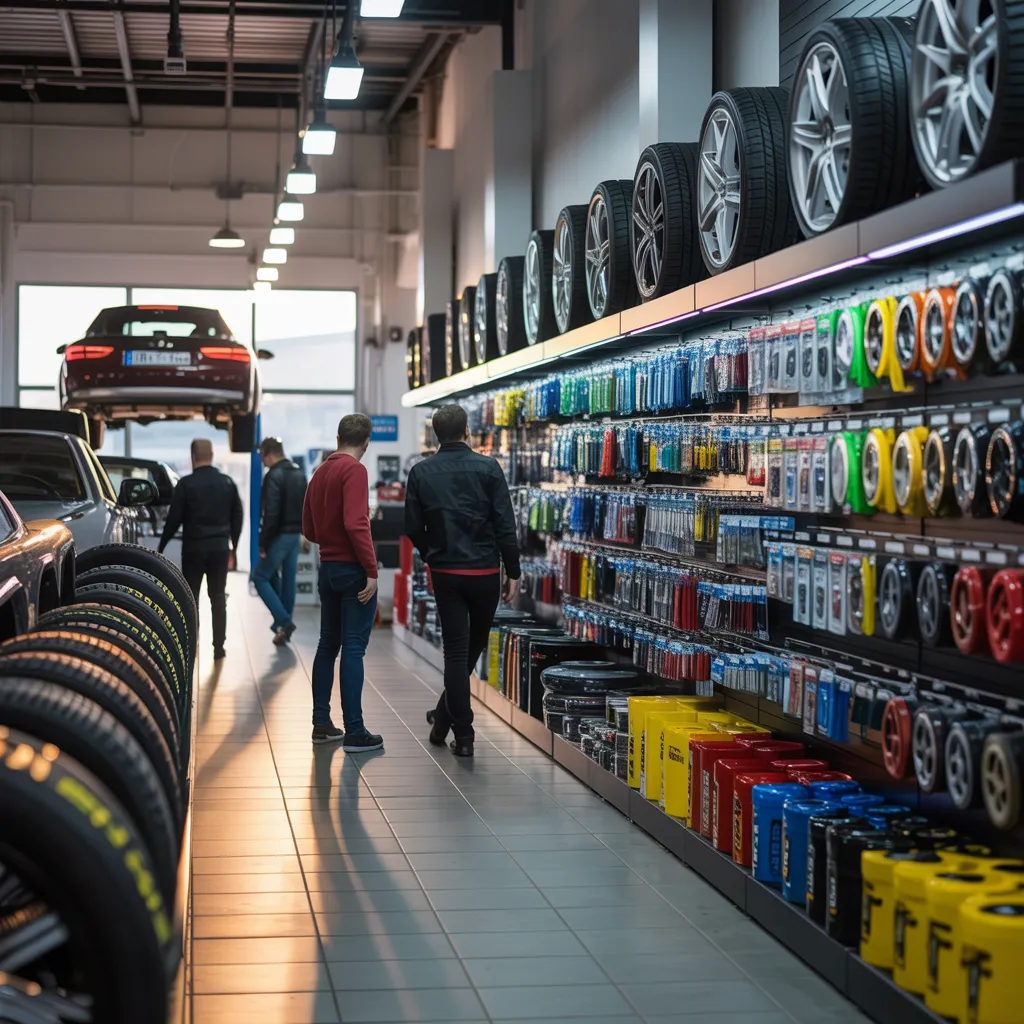
Local auto parts stores offer a convenient option for vehicle owners seeking immediate access to parts. These stores often have knowledgeable staff who can help with selecting the right components, offering valuable advice on installation and compatibility. Moreover, local stores frequently carry a variety of brands, allowing customers to choose based on price and quality.
However, there are concerns to review. Pricing at local auto parts stores may be higher compared to online retailers, limiting affordability for some consumers. In addition, stock levels can fluctuate considerably, which might cause a limited selection for specific or less common parts. Also, store hours can be inflexible, making it difficult for those with busy schedules to shop.
In the end, local auto parts stores deliver a mixed bag of strengths and weaknesses, making it important for vehicle owners to consider their alternatives based on immediate needs and long-term affordability.
Top Internet Vendors for Automobile Parts
Individuals who like the benefit of shopping remotely, will discover that online distributors of car parts represent an worthwhile alternative to conventional auto parts stores. Leading websites such as AutoZone, RockAuto, and Advance Auto Parts display impressive inventories of everyday components through custom parts. These retailers frequently present straightforward designs that provide customers the ability to locate by vehicle make and model, securing compatibility with their specific requirements.
Furthermore, Amazon and eBay have become major contributors in the car parts market, providing a vast array of choices, often at affordable prices. Many online retailers also offer customer reviews, which can improve buying assurance. Additionally, the ability to contrast prices across multiple sites allows buyers to find the best deals. With the extra advantage of home delivery, online shopping for car parts has become increasingly attractive for consumers seeking both quality and affordability.
Advantages Demonstrating Why Salvage Yards Are Worth Your Time
While numerous car owners may overlook salvage yards as a viable option for sourcing parts, these establishments often provide major advantages that can lead to substantial savings. Salvage yards typically offer a wide range of used parts at a fraction of the cost of new components, evaluation making them an attractive choice for budget-conscious individuals. Customers can find everything from engines and transmissions to body panels and interior components, often in good condition.
Additionally, acquiring from salvage yards encourages environmental responsibility by advancing reuse and reducing waste. Many yards also enable customers to inspect parts firsthand, guaranteeing compatibility and quality before making a purchase. Knowledgeable staff can support in finding the appropriate components, also boosting the customer experience. For those prepared to invest a bit of time in searching, salvage yards can uncover valuable treasures, making them a smart choice for anyone in need of car parts.
Aftermarket vs. OEM Car Parts: Key Distinctions
When evaluating OEM and aftermarket car parts, several key differences emerge. Performance and quality can vary greatly, influencing the reliability of repair work. Furthermore, warranty offerings and cost considerations play essential roles in a buyer's decision-making process.
Quality and Execution Factors
Selecting between aftermarket and OEM car parts requires an understanding of their distinct qualities and performance capabilities. OEM parts are manufactured by the original vehicle manufacturer, ensuring precise fit and adherence to factory specifications. These components often provide reliability and longevity, as they undergo rigorous testing. Conversely, aftermarket parts are produced by third-party companies and can differ widely in quality. While some aftermarket options may match or exceed OEM standards, others might compromise on performance or durability to reduce costs. Buyers should consider factors such as warranty, compatibility, and material quality when evaluating either type. Ultimately, the right choice copyrights on individual needs, vehicle requirements, and performance expectations.
Monetary Considerations and Affordability
Knowing the price differences between aftermarket and OEM vehicle parts is fundamental for smart purchasing. OEM parts, supplied by the original manufacturer, often carry a higher cost because of their guaranteed compatibility and strict compliance with factory standards. Meanwhile, aftermarket parts, developed by independent producers, typically are more economical, making them favored by budget-conscious buyers. However, the condition of these options can vary widely, which may influence long-term value. Although upfront price are important, buyers should also account for future costs related to performance and durability. In conclusion, balancing initial expenditure against possible future repairs or replacements is vital for maintaining a reliable yet affordable vehicle.
Warranty and Continued Support Programs
A warranty and support offering serves as an crucial part in the decision-making process for buying automotive components. When evaluating OEM (Original Equipment Manufacturer) parts, customers often enjoy extensive warranties, demonstrating the manufacturer's trust in their product quality. These guarantees generally include imperfections and ensure reliable performance, building confidence among consumers.
In contrast, aftermarket parts may furnish varied warranty terms. Some third-party makers furnish competitive warranties, while others may provide insufficient protection, producing conceivable dangers for the purchaser. Client assistance can also vary considerably; OEM parts generally include established customer service channels, whereas third-party choices might give minimal aid. Ultimately, understanding these distinctions helps people choose based on knowledge based on their priorities for quality, reliability, and peace of mind.
Assessing Car Parts: Quality Indicators and Cost Evaluation
When assessing car parts, it is essential to identify quality markers that demonstrate reliability and durability. Additionally, comparing price options across various suppliers can reveal significant differences that affect overall value. Understanding warranty terms further supports consumers in making well-informed decisions about their purchases.
Identifying Quality Markers
Assessing car parts requires a sharp eye for quality markers that can greatly impact vehicle performance and durability. First, authenticity is paramount; authentic parts often feature manufacturer labels and guarantees. In addition, materials play an essential role; premium components are typically made from durable metals or advanced polymers, offering better protection against deterioration. Additionally, examining appearance and quality can reveal manufacturing standards; accurate measurements and smooth surfaces often suggest exceptional workmanship. Recognition from recognized organizations can also serve as a reliable quality benchmark. Finally, customer reviews and specialist guidance deliver valuable insights into the longevity and dependability of particular parts. By recognizing these markers, buyers can make informed decisions that contribute to their automobile's overall performance.
Examining Cost Alternatives
While evaluating car parts, comparing price options is important for ensuring both quality and budget alignment. Price variations can reflect differences in quality, so consumers should consider multiple sources, including online retailers, local auto parts stores, and dealerships. It is necessary to consider not just the price tag but also the part’s reputation for reliability and performance. Using tools such as price comparison websites can facilitate this process, allowing buyers to easily identify the best deals. Additionally, examining customer reviews and ratings helps measure product satisfaction. Ultimately, a well-rounded approach to price comparison, factoring in quality indicators alongside cost, will result in informed purchasing decisions that balance affordability with durability.
Understanding Protection Terms
Understanding warranty terms is a vital aspect of purchasing car parts that often goes overlooked. A warranty demonstrates the manufacturer's trust in the product's quality and durability. Typically, warranties differ in length and coverage, including defects in materials and workmanship. Buyers should note the distinction between limited and full warranties; the former may impose restrictions or exclude certain damages. Additionally, it's essential to assess the warranty's transferability, especially for used parts. A comprehensive warranty can suggest higher quality, providing reassurance to the buyer. When comparing prices, a extended or more thorough warranty can warrant a higher cost, as it may save money on potential future repairs. Ultimately, understanding these terms enhances informed purchasing decisions for car parts.
Recommendations for Thoughtful Buying: Through Online and Offline Platforms
Traversing the landscape of car parts acquisition requires a strategic tactic, whether online or traditional. Purchasers should initiate by recognizing the specific parts they need, validating suitability with their transport. Internet shoppers can thrive from comparing prices across varied websites, capitalizing on user assessments to gauge merit and reliability. It's essential to verify return procedures to avoid potential troubles.
When making offline purchases, stopping by local auto parts stores gives customers the chance to check out items and seek expert advice. Developing rapport with knowledgeable staff may lead to personalized recommendations. Furthermore, consumers should consider timing; sales events or holiday promotions frequently yield significant savings.
Both online and offline shoppers should also stay alert about copyright products, prioritizing reputable retailers. Finally, a comprehensive knowledge of warranty terms can provide further assurance of quality and longevity, ensuring that customers make informed decisions in their car parts purchases.
Typically Sought Questions
What Ways Can I Use to Know if a Part Is Compatible With My Vehicle?
To identify part compatibility, one should verify the vehicle's make, model, and year, consult the owner's manual, and utilize online databases or part retailers that offer compatibility filters for accurate matching.
What Guarantees Are Usually Available on Car Parts?
Typically, guarantees on car parts range from 30 days to lifetime coverage, depending on the manufacturer and part type. These warranties often protect against defects but may exclude damage from incorrect fitting or misuse.
Can I Send Back Car Parts if They Don't Fit?
Yes, most retailers accept returns of car parts that don't fit, provided they remain unused and in original packaging. It's vital for buyers to look over specific return policies before making a purchase to avoid complications.
Can you find seasonal offers on automotive parts?
Seasonal bargains for automotive parts occur during holidays, end-of-year clearance events, and major shopping days. Retailers regularly offer discounts, making it an ideal time for purchasers to buy parts at reduced costs.
How Do I Find Local Experts Who Perform Installation Services?
To find local mechanics for fitting, one can use online directories, rating sites, and online community referrals. Additionally, seeking acquaintances for suggestions often yields dependable local alternatives for automobile repair.
Comments on “Complete Guide to maintaining your AMG vehicle”